The Importance of Esophageal Screening During MBSS Performance
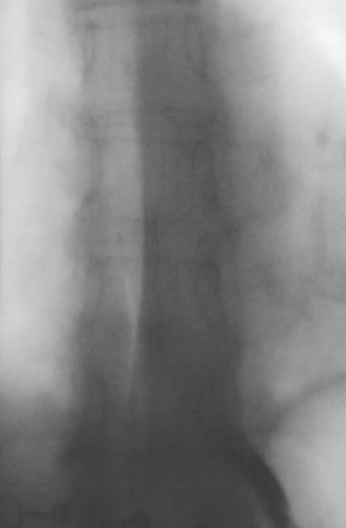
The modified barium swallow study (MBSS) assesses oropharyngeal swallow function but can also be used to screen the esophagus. Although changes in esophageal function can result in dysphagia, esophageal imaging is not always routinely completed during an MBS, and there are currently minimal guidelines for performance and review (Watts et al., 2019). Current literature demonstrates that swallowing is a continuum and should be assessed as such.
Triadafilopoulos et al. (1992) state "Oropharyngeal function is significantly altered in patients with esophageal motility disorders and dysphagia, and esophageal motor dysfunction occurs in patients with oropharyngeal dysphagia." Research indicates that over 60% of patients referred for a modified barium swallow study (MBSS) present with dysphagia involving an esophageal component (Gullung et al., 2012; Miles et al., 2015; Watts et al., 2019). Omission of esophageal visualization can lead to recommendations regarding oropharyngeal swallow function that may affect the esophagus.
O'Rourke et al. (2014) found that swallowing strategies often recommended by SLPs can impact esophageal function, therefore, it is important that esophageal physiology be considered during MBS performance and analysis. Focusing on the assessment of dysfunction and interplay throughout the entire swallowing continuum can streamline next steps for the multidisciplinary dysphagia care team, improving patient outcomes (Gregor & Watts, 2023). In summary, integrating esophageal visualization into MBSS performance is crucial for accurate diagnosis and treatment (Reedy et al., 2021).