TIMS University Webinar
The Best of Both Scopes: Developing A Hybrid Inpatient FEES Program
April 16 at 8:00 PM EST | 0.1 ASHA CEUS / 1 PDH
Course Instructors
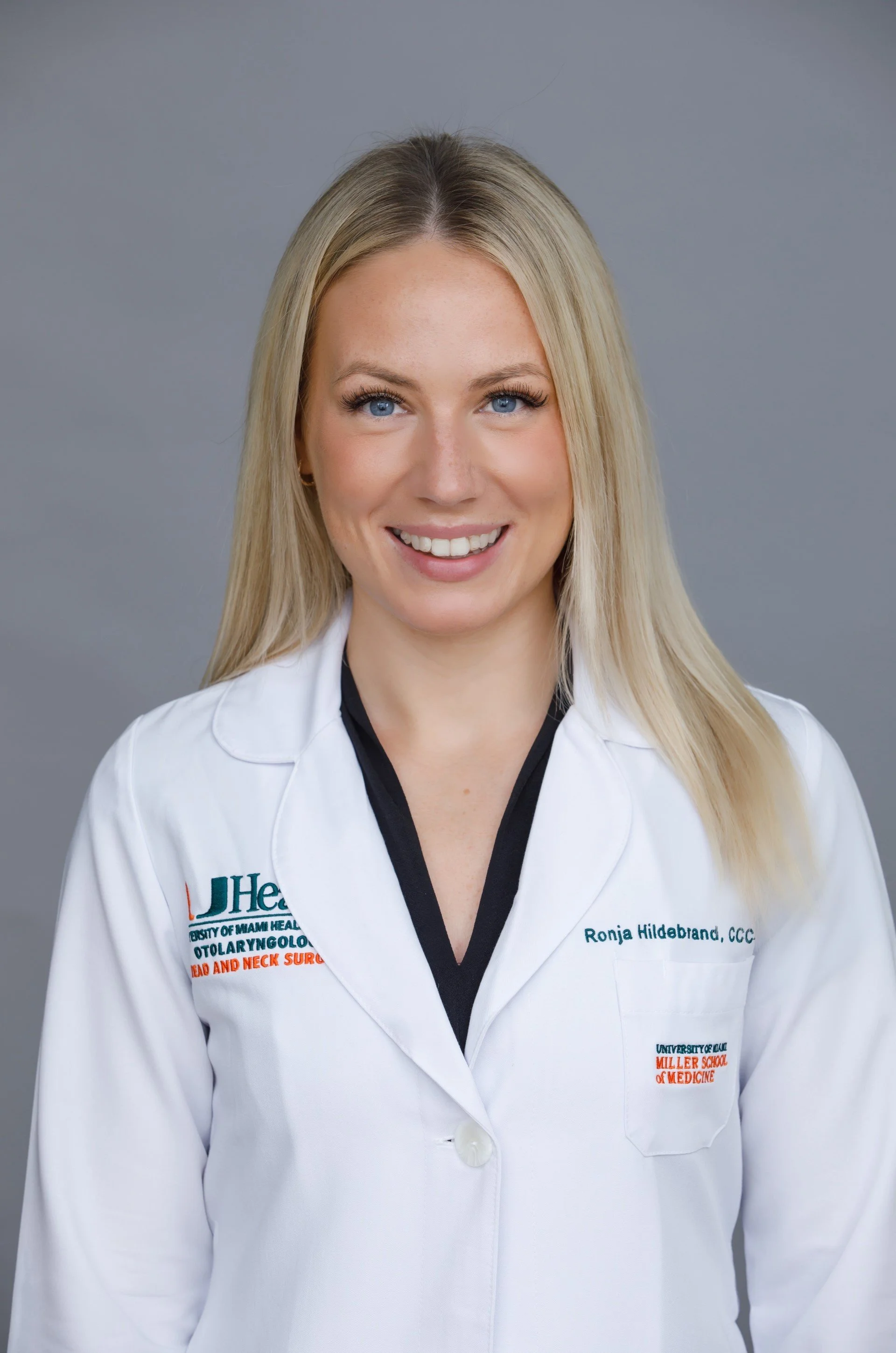
Ronja Hildebrand, M.A., CCC-SLP, CLT
Ronja Hildebrand, M.A., CCC-SLP, CLT is a Speech Pathologist I in the Division of Speech Pathology in the Department of Otolaryngology at the University of Miami Miller School of Medicine. She specializes in the assessment and treatment of lymphedema, communication and swallowing disorders in the head and neck cancer population and provides acute care services to a variety of medical diagnoses.
Disclosures:
Ms. Hildebrand is a paid employee of the University of Miami and is receiving an honorarium from TIMS Medical for their webinar.
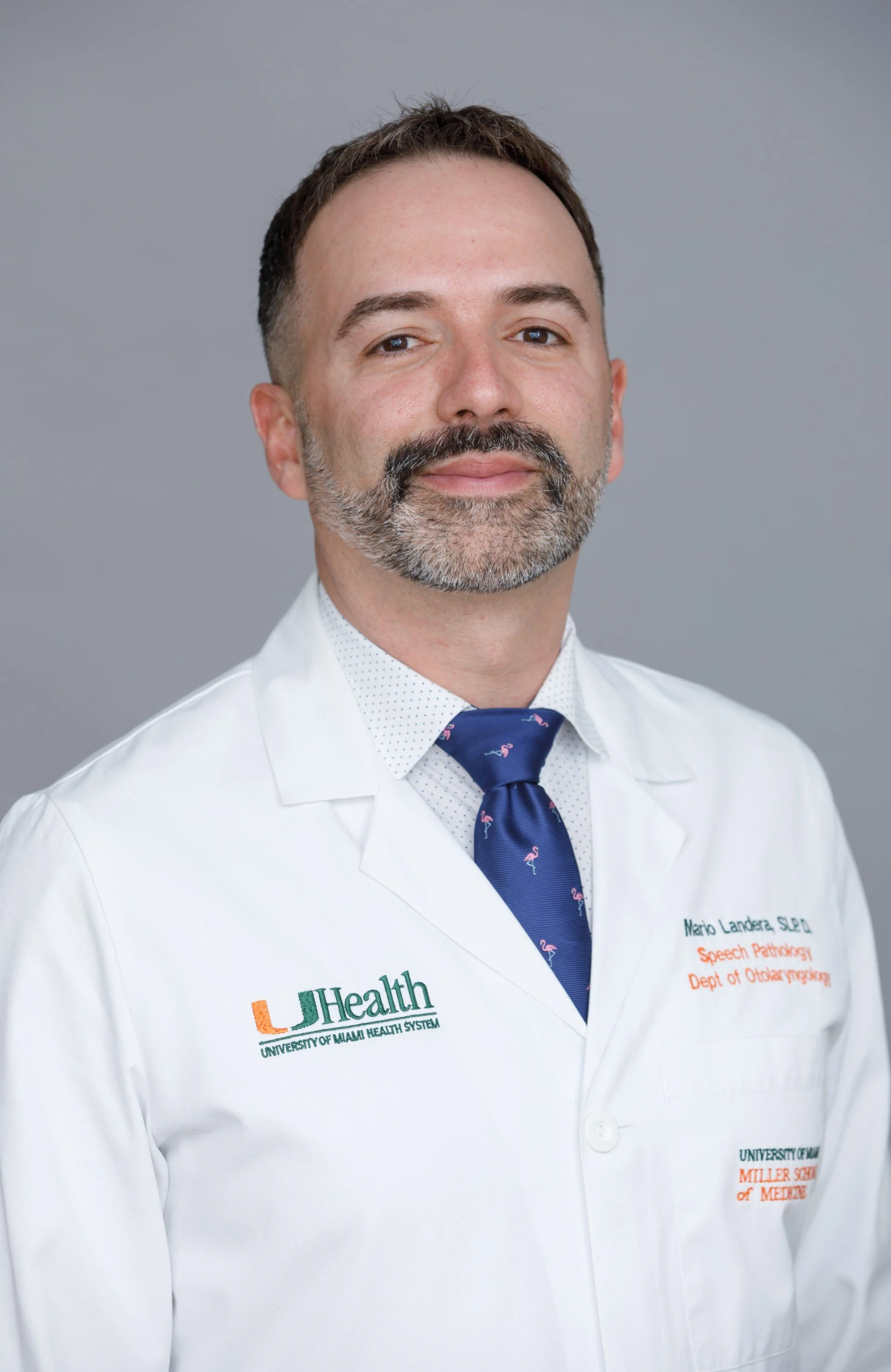
Mario A. Landera, SLP.D., CCC-SLP, BCS-S
Mario A. Landera, SLP.D., CCC-SLP, BCS-S is an Associate Professor and Chief of Speech Pathology in the Department of Otolaryngology at the University of Miami Miller School of Medicine. He specializes in the evaluation and treatment of voice and oropharyngeal swallowing disorders, as well as head and neck cancer speech and swallowing restoration. Dr. Landera has given multiple presentations and has published in several peer-reviewed journals and textbooks related to his areas of specialty. He has also held various leadership positions for several organizations including ASHA, ABSSD, DRS, and FLASHA.
Disclosures:
Dr. Landera is a paid employee of the University of Miami and is receiving an honorarium from TIMS Medical for their webinar.
Course Information
Description
As inpatient FEES programs continue to expand, many teams are navigating how to effectively incorporate both reusable and single-use endoscopes into clinical practice. Rather than viewing these technologies as competing options, a hybrid approach allows clinicians to leverage the strengths of each to support patient care, workflow efficiency, and program sustainability.
This course will explore the clinical and operational advantages of developing a hybrid inpatient FEES program. Participants will compare key considerations for reusable and single-use scopes, including training requirements, reprocessing workflows, accessibility, and cost. Practical strategies for advocating for resources and administrative support will also be discussed, equipping clinicians with the language and data needed to support program development.
Through a structured decision-making framework and case-based examples, attendees will learn how to determine which scope type is best suited for specific clinical scenarios. The session will also address competency development and training approaches to ensure safe, effective implementation across teams.
Learning Outcomes
List the clinical and operational benefits of a hybrid inpatient FEES program.
Compare training considerations for reusable vs. single-use endoscopes.
Advocate effectively for resource allocation and funding.
Identify clinical scenarios best suited for each type of scope and unit.
Agenda
8:00–8:05 Introduction & Learning Objectives
8:05–8:15 Advocacy & Administrative Considerations
8:15– 8:25 Equipment Overview & Comparison
8:25 – 8:35 Decision-Making Framework
8:35 –8:45 Training & Competency
8:45– 8:55 Clinical Case Studies
8:55 - 9:00 Q&A and Takeaways
Satisfactory Course Completion Requirements
To successfully complete the course, participants must attend the entire live event and submit the post-course survey.