TIMS University Webinar
Beyond the Bottle: Feeding and Swallowing in Infants with Cleft Palate and Craniofacial Differences
May 20th 8:00 PM EST | 0.1 ASHA CEU / 1 PDH
Course Instructor
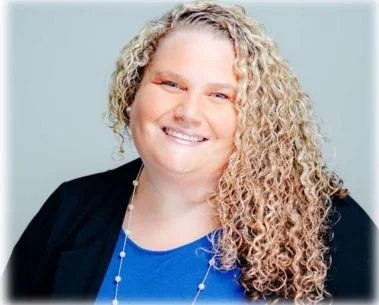
Raquel Garcia SLPD, CCC-SLP, CNT, BCS-S
Raquel Garcia is a medical speech-language pathologist with a specialty in swallowing and swallowing disorders. She has worked in the acute care, outpatient, and transition to home settings, where her primary objectives have been to maximize quality of life, decrease caregiver burden, and disseminate evidence-based practice. Her clinical interests include neonatal care, craniofacial differences, upper airway disorders, motor neuron disease, health literacy, and moral distress.
Speaker Disclosures
Financial Disclosures:
Nova Southeastern University and NSU Health, salary as an Assistant Professor
Joe DiMaggio Children’s Hospital, Cleft and Craniofacial Center, Hourly Speech-Language Pathologist
Dr. Garcia is receiving an honorarium for this webinar.
Non-Financial Disclosures:
ASHA Commission of Ambassadors
Dr. Brown’s Medical Advisory Board
Feeding Matters Education Pillar
National Association of Neonatal Therapists, Peer Review Committee
Membership Committee, American Board for Swallowing and Swallowing Disorders
Course Information
Description
Infants with cleft palate and craniofacial differences often experience complex feeding and swallowing challenges that require specialized, evidence-based care. This webinar provides an overview of typical and disordered feeding physiology, with a focus on clinical assessment and intervention strategies. Participants will learn practical approaches to support safe and efficient feeding, including positioning, pacing, and caregiver coaching. Emphasis will be placed on interdisciplinary collaboration to optimize outcomes for infants and their families.
Learning Outcomes
Describe the impact of cleft palate and craniofacial differences on infant feeding and swallowing physiology.
Identify common feeding and swallowing challenges in this population.
Select appropriate clinical and instrumental assessment strategies for infants with suspected dysphagia.
Apply evidence-based intervention strategies to maximize positive feeding experiences, growth, and parent engagement.
Agenda
8:00 - 8:05
Welcome, speaker introduction, and course overview
8:05–8:13
Prenatal Counseling and Anticipatory Guidance
Role of the SLP and interdisciplinary team following prenatal diagnosis
Counseling families on feeding expectations and common challenges
Introduction to feeding systems and early planning
Addressing caregiver anxiety and promoting confidence
8:13–8:23
Anatomy & Physiology of Feeding and Swallowing in Infants
Typical development
Structural and functional differences in cleft palate and craniofacial conditions
8:23–8:33
Feeding Challenges in Infants with Cleft and Craniofacial Differences
Oral phase impairments
Airway protection concerns
Impact on growth, nutrition, and caregiver stress
8:33–8:48
Assessment Strategies
Clinical feeding evaluation
Caregiver interview and observation
Indications for instrumental assessments (e.g., VFSS/FEES)
8:48–9:00
Intervention Approaches
Positioning and pacing strategies
Specialized feeding systems (e.g., specialty bottles)
Caregiver education and coaching
Interdisciplinary care considerations
Satisfactory Course Completion Requirements
To successfully complete the course, participants must attend the entire live event and submit the post-course survey.